
Does Your Home Insurance Cover Recreational Vehicles?
Tropolis is an innovative insurance broker dedicated to empowering independent insurance agencies with the tools, technology, and support for accelerated growth. This article is part of a series featuring insights and stories from our valued Tropolis partners and employees.
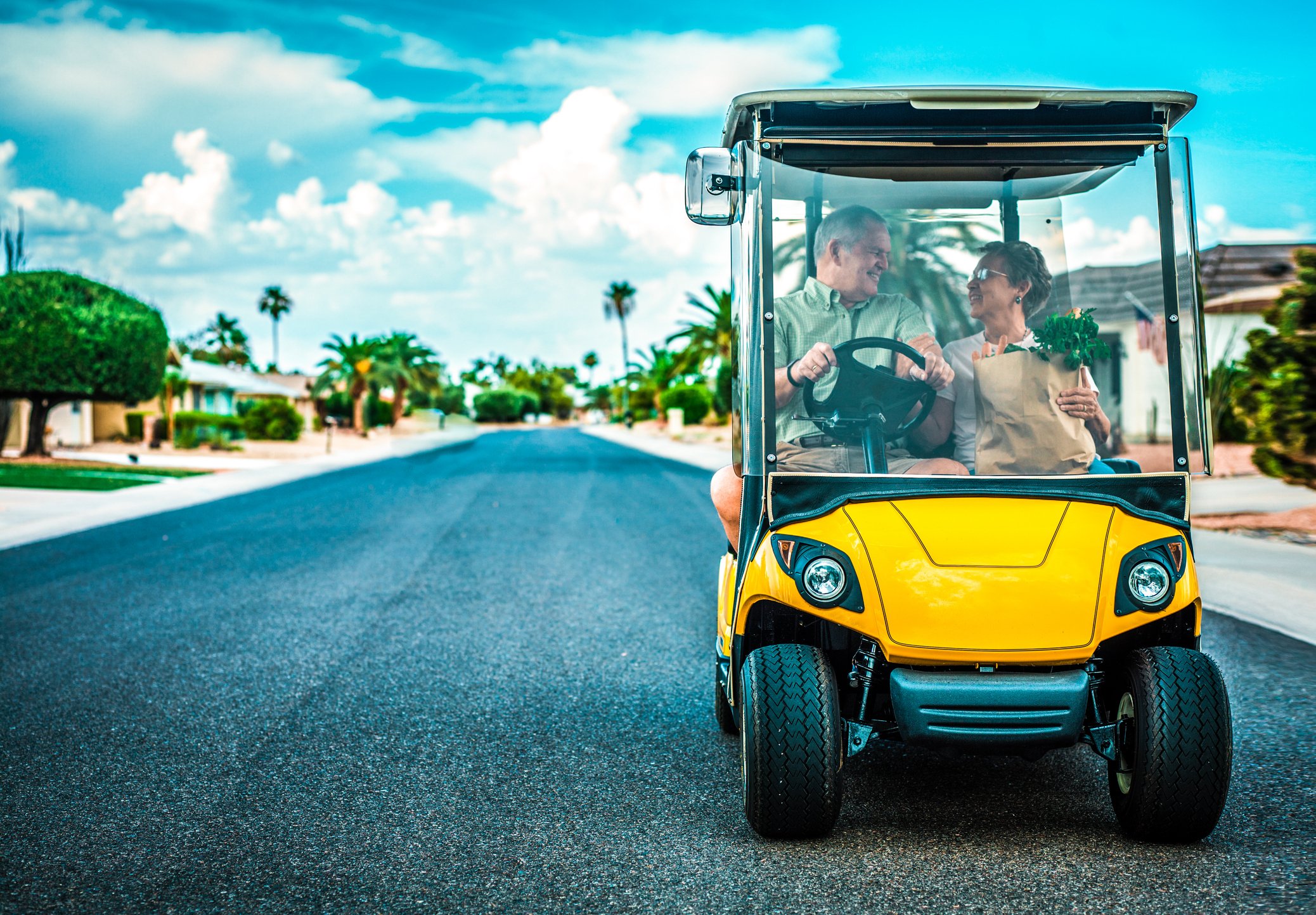
Recreational vehicles like e-bikes, ATVs, golf carts, and electric scooters have become increasingly popular for transportation, recreation, and outdoor adventures. While these vehicles offer plenty of enjoyment, many homeowners are surprised to learn that their homeowner’s insurance may not provide the protection they expect.
One of the most common misconceptions is that anything owned and used around the home is automatically covered under a homeowner’s policy. Unfortunately, that's often not the case.
Understanding the Coverage Gap
Standard homeowners’ insurance policies are designed to protect your home, personal belongings, and provide liability coverage for accidents that occur on your property. However, most policies exclude liability coverage for motorized recreational vehicles.
If you're riding an e-bike, ATV, golf cart, or electric scooter and accidentally injure someone or damage another person's property, your homeowner’s insurance may not pay for:
- Medical expenses
- Property damage
- Legal fees
- Court judgments or settlements
Without the proper insurance, you could be responsible for paying these costs out of your own pocket.
Which Vehicles May Need Separate Coverage?
Many recreational vehicles require their own insurance policy or endorsement, including:
-
Electric bicycles (e-bikes)
- All-Terrain Vehicles (ATVs)
- Golf carts
- Electric Scooters
- Utility vehicles (UTVs)
- Dirt bikes and other motorized recreational vehicles
Coverage varies by insurance company and policy, so it's important to understand exactly what protection you have before an accident occurs.
Protect Yourself
The good news is that many insurance companies offer affordable policies or endorsements specifically designed for recreational vehicles. These policies can provide liability protection and, in many cases, coverage for theft, vandalism, collision, and other types of physical damage.
If you've recently purchased a recreational vehicle—or are considering buying one—it's a good idea to review your current insurance coverage with your insurance professional. A quick policy review can identify any gaps and help ensure you're adequately protected.
Don't Wait Until It's Too Late
Rising reconstruction costs across Texas have created another challenge: underinsurance. Homes that were adequately insured just a few years ago may no longer reflect current rebuild values.
Sustainable coverage in 2026 requires a shift in mindset. Extended replacement cost options, ordinance and law coverage, and appropriate liability limits are no longer enhancements — they are prudent risk management strategies.
The conversation must evolve from “What is the lowest premium?” to “What level of protection is financially responsible?”
A Proactive Path Forward
Many people don't discover they have a coverage gap until after an accident happens. Taking a few minutes today to review your insurance can help you avoid unexpected financial hardship tomorrow.